 Journal Information
 All Research Archive
 Online Submission
 Search for Figure and Table








| Browse Archives | About This Journal | Editorial Board | For Contributors | e-Submission |
-
Browse Archives +
-
For Contributors +
Korean Journal of
Medicinal Crop Science
- 주제분야
- 농수해양학 > 농학 > 기타농학
- 국내등재
- KCI 우수등재
- 해외등재
- SCOPUS
- 발행간기
- 연6회
- 발행일자
- 02월 28일, 04월 30일, 06월 30일, 08월 30일, 10월 30일, 12월 30일
- ISSN(Print)
- 1225-9306
- ISSN(Online)
- 2288-0186
Aims and Scope
The Korean Journal of Medicinal Crop Science (KJMCS) is the official publication of the Korean Society of Medicinal Crop Science. It was launched in 1993. It contains original articles on all fields related the cultivation, physiology, and environments, genetics and breeding, biotechnology, quality and evaluation of physiological activity (in vitro, in vivo, etc.), chemical analysis of medicinal crops and others related to medicinal crops. It is published bimonthly in February, April, June, August, October and December in per year. Supplement numbers are published on symposium or academic meetings. All of the manuscripts are judged and peer-reviewed.
The articles published in this journal are indexed and/or abstracted in DOI/crossref, KCI Circulation number of print copies is 500. Full text is freely available from:http://www.medicinalcrop.org. This journal was supported by the National Research Foundation of Korea (NRF) and the Korean Federation of Science and Technology Societies (KOFST) funded by the Korean Government (MEST).
Subscription of the Journal is only through membership. Foreign membership fee per annual is US $20 or equivalent in your currency. Payment of the membership fee to the society entitles members to receive the journal, to vote, and to contribute scientific papers in the meeting and to the journal.
Open Access is an Open-Access article distributed under the terms of the Creative Commons Attribution Non-Commercial License (http://creativecommons.org/licenses/by-nc/3.0) which permits unrestricted non-commercial use, distribution, and reproduction in any medium, provided the original work is properly cited.
Subscription Inquiry
Secretary Treasurer
General Affairs and Copyright Transfer Agreement Submission
the Korean Society of Medicinal Crop Science
Department of Herbal Crop Research,
National Institute of Horticulture and Herbal Science(NIHHS),
Rural Development Administration(RDA)
92, Bisan-ro, Soi-myeon, Eumseong 27709, Republic of Korea
Tel : 043-871-5598, Fax : 043-871-5599, E-mail : medcrop@hanmail.net
Editor : Manuscript Affairs
Department of Herbal Crop Research, Kangwon National University
346 Hwangjo-gil, Dogye-eup, Sancheok 25949, Gangwon, Republic of Korea
Tel : 033-540-3323, Fax : 033-540-3329, E-mail : ijdae@kangwon.ac.kr
Current Issue
Volume 34(4); August 2026
-
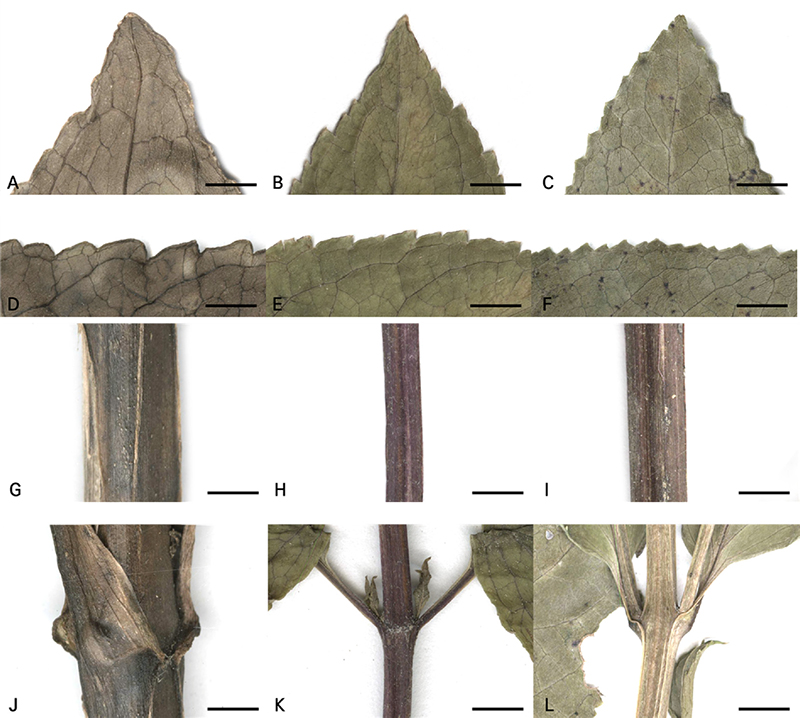
Ji Sun Park, Sungyu Yang, Hyo-Seon Kim, Young-Hye Seo, Inkyu Park, Yun-Soo Seo, Yongho Cho, Changjong Moon, Jinseok Jung, Joong Sun Kim, Su-Jin Park
Species of the genus have been traditionally used in East Asian medicine for anti-inflammatory and detoxifying purposes. However, comparative antiviral activit...
-
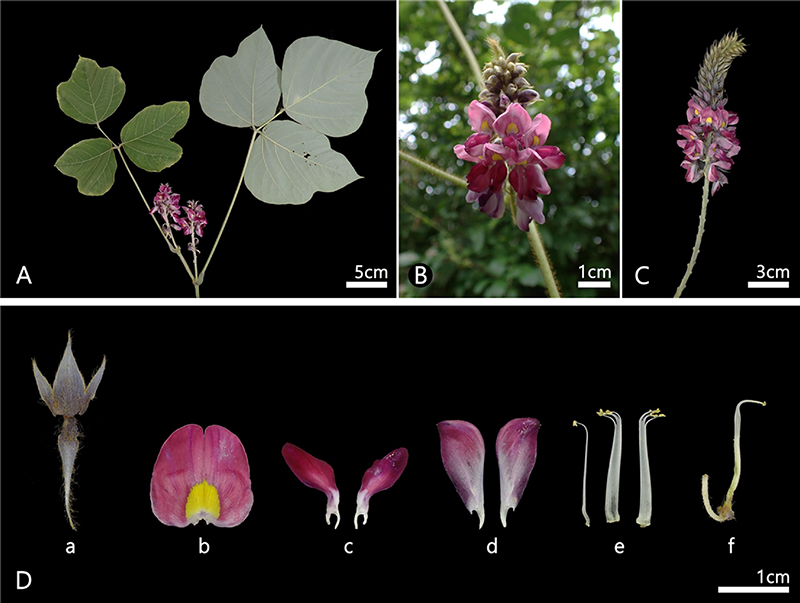
Ki-Hong Lee, Yeonchan Kang, Min-Jung Kong, Jun-Ho Song
(Willd.) Ohwi is traditionally recognized as the botanical source of the herbal medicine Puerariae Flos. However, adulteration in commercial markets necessitat...
-
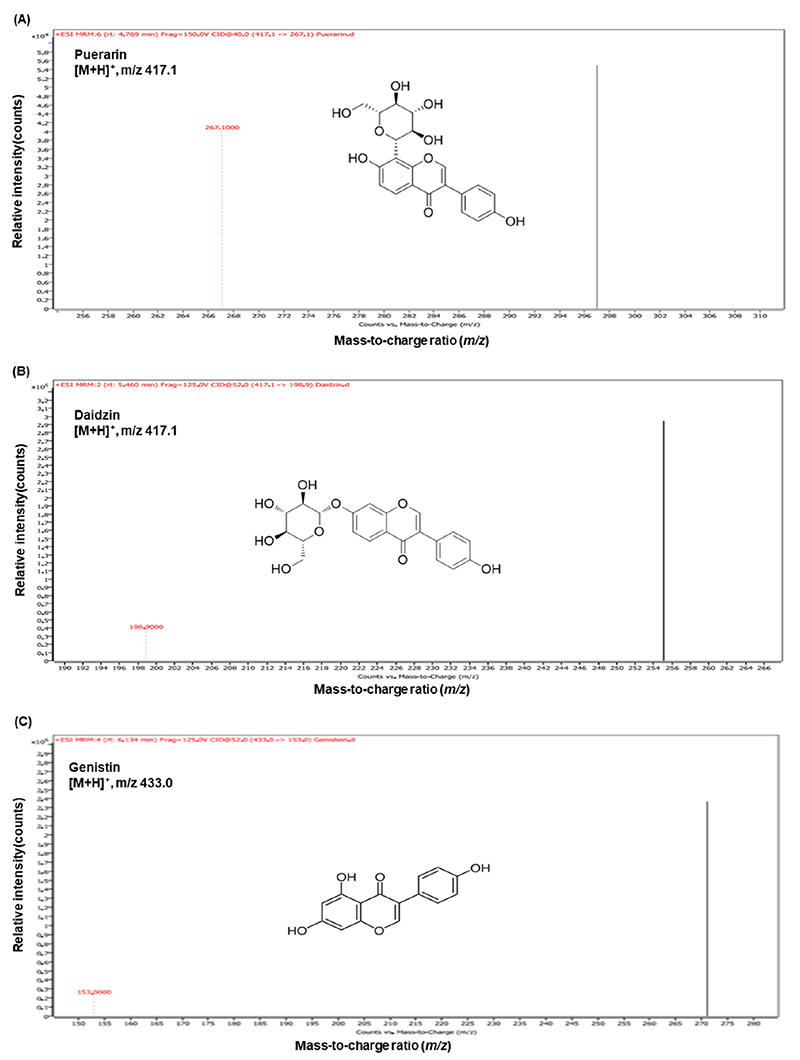
Jun Young Kwak, Jihyun Yoo, Ki Jung Kil
This study aimed to characterize the marker compounds of new vines (PLNV) and evaluate their effects on alcohol metabolism and liver function in alcohol-treate...
-
Seo Young Mun, Ye Rin Kim, Do Hui Kim, Il Rae Rho
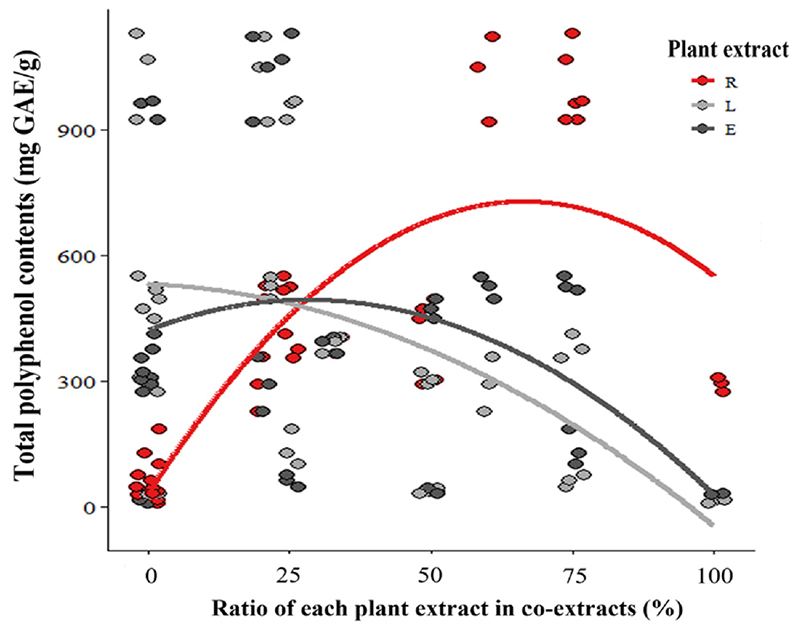
This study investigates the synergistic antioxidant and skin-whitening effects of , , and co-extracts to develop functional cosmetic ingredients. Single extrac...
Most Read

Bisan-ro 92, Soie-myoen, Eumseong-gun, Chungbuk 27709, Korea
TEL : 043-871-5598 / FAX : 043-871-5599 / E-mail : medcrop@hanmail.net
Copyright © The Korean Society of Medical Crop Science. All rights reserved.